Is CBD Something I Should Take Before Driving to Relax?
Short answer: Don’t take CBD before a driving shift to relax. CBD is not a dependable way to manage driving stress, and it can cause drowsiness or interact with medicines. Some products may also contain THC, which can impair driving and create legal or platform-policy problems. If you feel too tense to drive safely, pause the shift rather than trying to calm yourself with a substance.
That advice matters whether you drive for a rideshare app, deliver orders, commute, or operate a vehicle for work. Driving requires alertness, sound judgment, and quick reactions. A product marketed as “calming” can work against those needs—even if its label says “non-intoxicating.” Safety first means judging your fitness to drive by how you actually feel, not by a product’s marketing or by whether you believe you took a small amount.
Why CBD Before Driving Is a Risk
CBD, or cannabidiol, is a compound found in cannabis and hemp. It is different from THC, the compound most associated with a cannabis “high,” but that difference does not make CBD a driving aid. CBD can cause side effects, including sleepiness, fatigue, changes in alertness, and gastrointestinal symptoms. Its effects can vary by person, product, dose, timing, and whether it is taken with other substances or medicines.
A product can also contain more THC than you expect. CBD products are not all reviewed or approved by the U.S. Food and Drug Administration for safety, quality, or effectiveness before they are sold. Labels and testing practices vary. Even a product labeled “THC-free” is not a guarantee that there is no THC in the bottle.
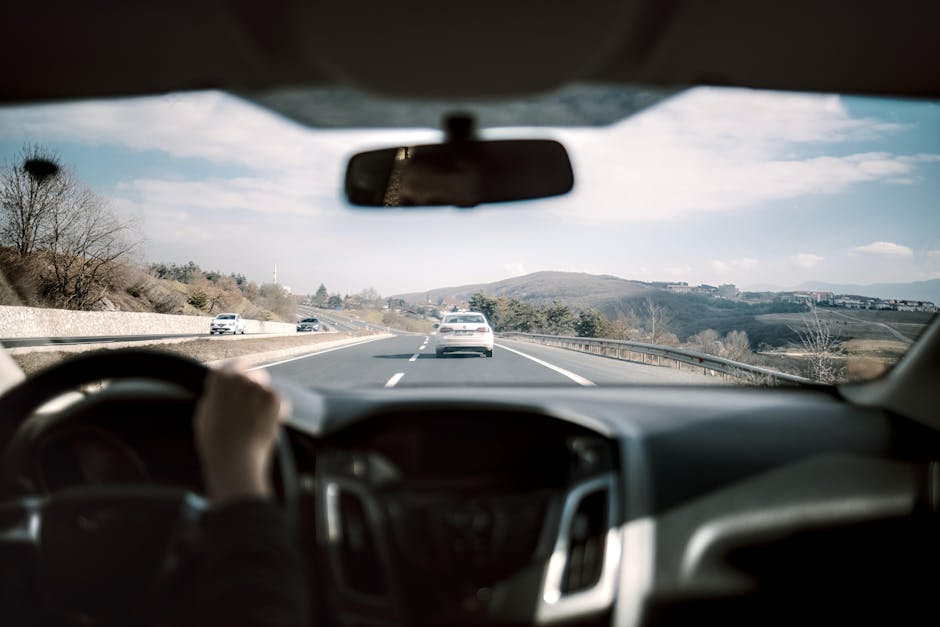

There is another uncertainty: CBD can affect how the body processes some medications. If you take prescription or over-the-counter medicine, ask a qualified healthcare professional or pharmacist about possible interactions. Do not experiment with CBD for the first time before driving, and do not assume that a familiar dose will affect you the same way every time.
The drowsiness warning is not a technicality
Some CBD products carry a drowsiness warning, and that warning should be taken seriously. Drowsiness can slow reaction time, reduce attention, and make it harder to notice hazards. A driver may not feel dramatically impaired and still be less capable of responding to a sudden stop, a pedestrian, or a vehicle changing lanes.
CBD itself is not the only possible concern. Combining it with alcohol, cannabis, sleep medicines, anti-anxiety drugs, some allergy medicines, or other sedating substances can increase impairment. If you are using a medication with a warning about driving or operating machinery, follow that warning and ask your clinician or pharmacist if anything is unclear.
Driving laws differ by location, and a driver can face consequences for operating a vehicle while impaired even if a product was sold legally. Rideshare and delivery platforms also set their own rules. Check the current terms for the platform and location where you work. Being under an app’s driving-hour limit does not make impaired driving acceptable.
Why No CBD Product Prices Are Listed Here
You may expect a product comparison with prices, but this article does not recommend CBD products for use before driving. Listing prices could make it look as though one brand or format is a suitable pre-shift option. It is not. The price of a tincture, gummy, capsule, or other product does not tell you whether it will affect your alertness, whether its contents match its label, or whether it is appropriate alongside your medication.
For that reason, no CBD product prices are listed. The useful decision here is not which product costs less; it is whether to take a potentially sedating or interacting product knees below hips driving posture before getting behind the wheel. If you are considering CBD for a health concern, discuss that with a healthcare professional and use it only when you do not need to drive and can evaluate how it affects you.
Fatigue Is a Separate Driving Hazard
CBD is not a substitute for sleep, and feeling relaxed is not the same as being fit to drive. Fatigue can reduce vigilance, slow decisions, and cause brief lapses in attention. A driver who is already tired should not add a product that might make them drowsier.
Be alert to signs such as repeated yawning, heavy eyelids, difficulty focusing, missing exits or turns, drifting in your lane, or struggling to remember the last few miles. These are reasons to stop driving, not signs to push through the next trip. If you catch yourself nodding off or having a near miss, end the shift as soon as you can do so safely.
There is no single shift length that is safe for every driver. Sleep needs, health, time of day, road conditions, and the demands of the work all matter. A 12-hour shift is not a sensible default for everyone, and being legally or platform-eligible to continue does not mean you are alert enough to do so.
Rideshare Hour Limits and Breaks: A Floor, Not a Safety Guarantee
Rideshare platforms may limit how long drivers can be online before requiring a break. The details vary by platform and may change, so check the current driver guidance and local rules rather than relying on an old forum post or another driver’s recollection. Some platforms count time in specific ways, and rules may differ across markets.
Those limits are administrative safeguards, not proof that a driver is rested. You can become too tired to drive before reaching an app’s cutoff. Conversely, taking the required break does not automatically restore alertness if you are sleep-deprived or unwell. Stop earlier when your condition calls for it.
- Check the current platform rules for your location before a shift.
- Plan breaks before you feel desperate for one, and leave room for food, water, and a brief walk.
- Do not use CBD, caffeine, loud music, an open window, or a cold drink as a substitute for adequate rest.
- End the shift if fatigue, medication effects, illness, or another impairment makes driving unsafe.
When you take a break, get out of the car if it is safe to do so. Stretching your legs can ease stiffness, but it does not erase sleep debt. If you are sleepy, a break in which you stay awake scrolling on your phone may not be enough. The appropriate choice may be to stop working and arrange a safe way to rest.
Build a Sleep Routine Around the Work
Irregular rideshare schedules can make sleep timing difficult, especially when demand changes by day or time. A consistent routine is more useful than vague advice to “get more sleep.” Set a realistic sleep window that gives you the opportunity to get enough rest, and try to keep your sleep and wake times reasonably consistent across workdays. If you need to drive early, protect the time before that shift instead of accepting late trips that crowd out rest.
Make the sleep period workable: keep the room dark and quiet, reduce interruptions where possible, and use a wind-down routine that does not involve taking a new product right before driving. If schedule changes are unavoidable, plan for them rather than flipping between very early and very late shifts without recovery time. If persistent sleep problems or severe daytime sleepiness continue, talk with a healthcare professional; conditions such as sleep apnea can affect alertness and deserve evaluation.
Long Sitting Can Add Body Strain
Hours in a driver’s seat can leave the lower back, hips, shoulders, and neck sore or stiff. Discomfort can distract you, and a poorly adjusted seat may encourage slouching or awkward reaching. CBD is not a reliable fix for the underlying ergonomics—and masking discomfort does not necessarily make it safe to continue driving.
Adjust the car before the first trip
- Set the seat so you can reach the pedals without stretching and keep a slight bend in your knees.
- Adjust the backrest to support your torso without forcing you to lean forward.
- Position the steering wheel so your shoulders stay relaxed and you can steer without locking your arms.
- Set mirrors and controls while parked, not while the vehicle is moving.
- Keep frequently used items within easy reach, and secure loose objects so they do not become distractions.
At breaks, stand and move gently if you are able. Change posture and take a short walk rather than staying seated for the entire pause. Persistent, worsening, or sharp pain deserves medical advice. Do not drive if pain or a treatment for pain interferes with your concentration, movement, or ability to control the vehicle.
What to Do Instead if You Feel Stressed Before a Shift
First ask whether you are safe to drive right now. Check for sleepiness, illness, medication effects, alcohol or cannabis use, and any unusual reaction to a supplement. If any of these affects your alertness or coordination, do not start—or stop somewhere safe if you are already on the road.
- Pause before accepting trips. If stress is making it hard to focus, take time to settle or decide not to work that shift.
- Use a non-drug reset while parked. Try a few slow, comfortable breaths, a short walk, or a brief stretch. These can help you pause, but they are not a cure for fatigue or impairment.
- Address the source where possible. Adjust your schedule, route, or break plan; contact someone you trust; or seek professional help if anxiety is frequent or overwhelming.
- Get medical guidance for treatment questions. If you are considering CBD or another product for a health issue, ask a clinician or pharmacist about driving, side effects, and medication interactions—and do not test it before a shift.
Breathing exercises, stretching, and other simple strategies are not guaranteed to solve anxiety. They are lower-risk ways to pause while parked, not permission to drive when you are too tired or upset to do so safely.
Quick Guide: CBD, Fatigue, and Driving
Situation Safer choice You are considering CBD before a shift Do not take it before driving; check with a healthcare professional about use at another time. You already took CBD and feel sleepy, foggy, or unusual Do not drive. Arrange another ride or wait until you are fully alert; do not guess at a safe waiting period. You are nodding off or struggling to focus Stop driving safely and end the shift. A platform timer or caffeine is not a clearance to continue. Your back or neck hurts after hours in the car Park, get out and move if safe, review your seat setup, and seek medical advice for persistent pain.The Bottom Line
CBD is not a proven pre-drive relaxation tool, and its possible drowsiness, medication interactions, and uncertain product contents make it a poor choice before a shift. Platform hour limits and breaks are useful boundaries, but they do not override your own signs of fatigue or impairment. Plan sleep, stop when you are not alert, and reduce long-sitting strain with a better seat setup and regular movement.
Do this, not that: If you feel stressed before driving, pause while parked and address the cause—or skip the shift. Do not take CBD before a shift and hope it will relax you without affecting your driving. Safety first.