Will CBD Make Me Drowsy the Next Day at Work?
It can—but it does not happen to everyone, and the risk depends on the product, dose, timing, your response, and other medicines or substances. CBD (cannabidiol) is often marketed as non-intoxicating, but “non-intoxicating” does not mean “incapable of causing sleepiness.” Some people report fatigue or drowsiness, and the chance of feeling slowed down the next morning may rise with larger doses or interactions with other substances.
If your work involves driving—especially rideshare, delivery, commercial driving, or a night shift—treat unexpected sleepiness as a safety issue, not something to push through. You cannot reliably judge fitness to drive by whether you feel “a little tired,” and coffee, an open window, or a quick stretch does not restore alertness if you are impaired.
This article offers general information, not a diagnosis or personal medical advice. CBD products vary, and research on https://theweeklydriver.com/2026/10/long-drives-late-nights-the-cbd-question-for-rideshare-drivers/ their effects is still developing. Talk with a clinician or pharmacist before using CBD, particularly if you take medication, have a health condition, or need to be alert for work.
CBD drowsiness: What could happen the next day?
Drowsiness and fatigue are among the possible side effects associated with CBD. Some people notice them while taking it; others do not. A person who takes CBD at night may still feel groggy, tired, or less alert the next morning. There is no dependable rule that taking CBD before bed prevents next-day effects.
How long an effect lasts can vary. The amount taken, how often it is used, the formulation, and individual differences all matter. Products taken by mouth may take time to have an effect, and product labels do not always make it easy to compare one item with another. CBD may also interact with medications by affecting how the body processes them. That is one reason not to guess at a “safe” dose or combine CBD with sedating medicines, alcohol, or other substances without professional advice.
CBD is not the same as THC, the intoxicating component of cannabis, but a CBD product may contain THC or be mislabeled. Product quality and contents can vary. If a product’s actual contents differ from the label, its effects may also differ from what you expected. “Hemp-derived” is not a guarantee that a product has no THC or will not affect alertness.
Possible signs you may not be alert enough for work
- Heavy eyelids, repeated yawning, or difficulty keeping your eyes open
- Slow reactions, trouble focusing, or missing turns and road signs
- Forgetfulness, drifting attention, or difficulty following a conversation
- Feeling unusually groggy, dizzy, or unsteady
- Lane drifting, rumble-strip contact, or realizing you cannot recall the last few minutes of driving
These symptoms can come from many causes, including insufficient sleep, a medication, illness, or a long work shift—not just CBD. You do not need to identify the exact cause before taking the safety step: stop driving when you cannot stay alert.
Driving, rideshare work, and impairment rules
For a driver, the key question is not simply, “Is CBD legal?” It is, “Am I alert and legally fit to drive?” Rules differ by location, vehicle type, and employer or platform. A product that is legal to buy does not make it safe to drive after using it. If CBD leaves you drowsy, dizzy, or mentally slowed, do not drive, accept rides, or continue a shift.
Do not use CBD for the first time before a driving shift, or increase an amount before a day when you need to be alert. Do not combine it with alcohol or sedating medication and assume the combination will be harmless. If you are taking a prescribed medicine, ask the prescriber or pharmacist about possible interactions before adding CBD. Do not stop or change prescribed treatment on your own.
Rideshare platforms and local regulators may set driving-time limits, require breaks, or apply other safety rules. Those limits are not identical everywhere and can change. Check the current rules in the app and the requirements for your jurisdiction; do not rely on a number you heard from another driver or an old online post. A platform’s maximum permitted hours are a ceiling, not a recommendation that every driver should work that long.
Fatigue risk is not solved by reaching the platform limit
A driver can become unsafe well before reaching a formal hour cap, particularly after poor sleep, during the body’s usual overnight low-alertness period, or after a demanding day job. Breaks are useful, but they are not a substitute for sleep. If you are fighting to stay awake, log off in a safe place and arrange another way home if needed.
Situation Safer response You feel drowsy after taking CBD Do not drive or start a driving shift. Wait until you are fully alert, and seek medical advice if symptoms are severe, unusual, or persistent. You are nearing a platform or local driving-time limit Check the current rule in the app or official guidance, stop within the required limit, and take the required break. You are nodding off or drifting lanes Pull over somewhere safe as soon as possible and stop driving. Do not try to finish “one last ride.” You are unsure whether a medication and CBD interact Ask a pharmacist or prescriber before using them together, especially if either can cause sleepiness.Night shift driver safety: Build the schedule around sleep
Night work can make sleep scheduling difficult because work hours may conflict with the body’s normal day-night rhythm. A consistent routine can make sleep more predictable, but it cannot erase the effects of inadequate sleep. If you drive overnight, plan your work and rest rather than relying on CBD—or caffeine—to compensate for a short night.
- Keep a regular sleep window when possible. Set a consistent time to go to bed and wake up, including on days off where your schedule allows.
- Protect your sleep period. Make your room dark, quiet, and comfortably cool; silence notifications and tell household members when you need uninterrupted sleep.
- Allow time to wind down. Use a repeatable pre-sleep routine. If bright light, noise, or a late meal makes it harder for you to sleep, adjust those factors where practical.
- Plan shifts with recovery in mind. Avoid stacking long driving shifts with other work and then expecting a short break to restore alertness.
- Track what affects you. Note sleep timing, shift length, CBD use, medications, and next-day symptoms. A record can help you discuss patterns with a clinician.
Do not treat CBD as a proven sleep-scheduling tool or assume that feeling relaxed means you have had restorative sleep. If you regularly cannot sleep at the hours you need, or you are routinely sleepy despite allowing time for sleep, speak with a healthcare professional. Persistent fatigue can have causes that deserve evaluation.
Long sitting adds strain—even when you are alert
Driving for hours can strain the lower back, hips, neck, and shoulders. Muscle stiffness or pain can make it harder to stay comfortable and focused, while fatigue can make posture and attention worse. Ergonomics will not cancel out a CBD-related sleepiness side effect, but reducing avoidable discomfort can make a shift more manageable.
Set up the seat before the shift
- Move the seat so you can reach the pedals without stretching and keep a slight bend in your knees.
- Adjust the backrest to support your back while allowing a clear view and easy access to the controls.
- Keep the steering wheel close enough that your shoulders stay relaxed rather than reaching forward.
- Use a headrest positioned to support your head, and avoid keeping your neck twisted toward a phone or passenger for long periods.
- Secure your phone in a legal, stable mount and set navigation before moving. Do not handle the phone while driving.
Take breaks according to current platform and local rules, and sooner if you need to move, use the restroom, or reset your attention. During a safe break, stand, walk briefly, and gently move your hips, shoulders, and legs. Do not do stretches that affect your balance near traffic or while the vehicle is moving. If pain is persistent or severe, get medical advice rather than trying to fix it with an improvised seat cushion or stretching routine alone.
Should I use CBD if I have to work tomorrow?
If you have not used a particular CBD product before, avoid experimenting before work that requires alertness. If you have used it and notice morning grogginess, treat that as useful safety information: do not drive while affected, and speak with a clinician or pharmacist before using it again. A label claim such as “calming,” “nighttime,” or “non-intoxicating” does not establish that you will be alert the next day.

If you already use CBD, record the product label details, amount, timing, and any other medications or supplements, then discuss them with a healthcare professional. Do not increase the amount to chase an effect, and do not assume that a different brand will behave the same way. Product contents and your response can differ.
About product prices
No CBD products are recommended or priced in this article. Prices are not listed because this is a safety and health-information post, not a product comparison. Cost does not verify a product’s contents, quality, safety, or ability to prevent next-day drowsiness. If you are considering a product, review its labeling carefully and discuss it with a qualified healthcare professional—especially if driving is part of your job.
The bottom line
CBD can cause drowsiness or fatigue in some people, and next-day sleepiness is possible. The effect is not predictable enough to assume that nighttime use is automatically safe for a morning or overnight driving shift. Medication interactions, product contents, sleep loss, and shift timing can all complicate the picture.
Do this, not that: Do plan sleep, check current platform and local driving rules, and stop driving if you feel impaired. Do not test a new CBD product before a shift, use CBD or caffeine to push through dangerous fatigue, or treat the platform’s maximum hours as a target.
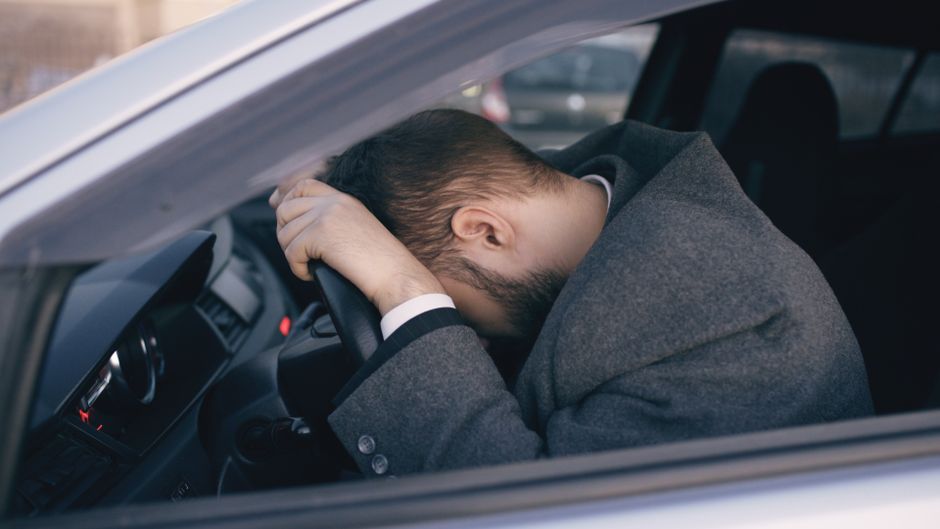
If you cannot stay awake, pull over safely and stop driving. If drowsiness is severe, persistent, or accompanied by concerning symptoms, contact a healthcare professional. For a driver, the safest ride is the one you do not take when you are not alert enough to make it safely.